
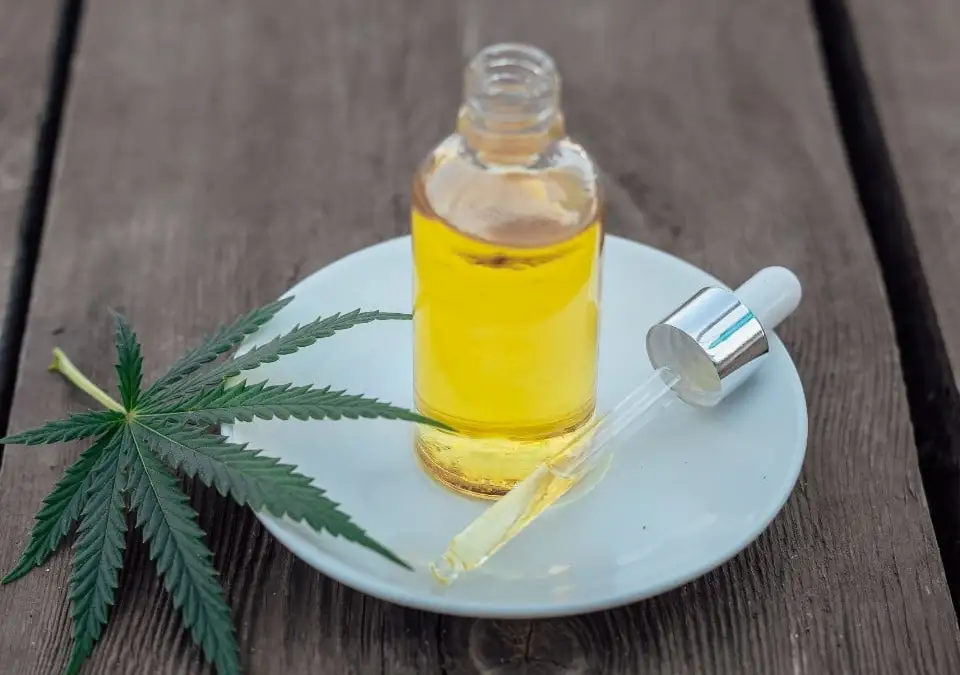
How to Cook with CBD (A Practical, No-Stress Guide)
Cooking with CBD is one of the easiest ways to build a consistent routine—especially if you prefer something gentler than smoking or vaping. The trick is understanding three things: heat, fat, and dose. CBD behaves differently than THC in the kitchen, and if you treat it like a random supplement you’ll often end up with weak effects (or a recipe that tastes weird). If you treat it like an ingredient—measured, mixed properly, and kept at sensible temperatures—it becomes simple and repeatable.
This guide walks you through how CBD works in food, the best forms of CBD for cooking, how to dose safely, and a handful of easy recipes you can actually use.
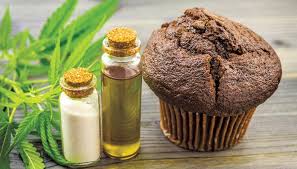
CBD cooking basics: measured oil + a simple baked recipe.
What CBD Does (and What It Doesn’t)
CBD (cannabidiol) is a cannabinoid found in cannabis and hemp. It’s non-intoxicating, meaning it won’t get you “high” the way THC can. Most people use CBD for calm, body comfort, and everyday balance—often for stress, soreness, or winding down without impairment.
Important: CBD isn’t instant like inhaling. In food, it’s processed through digestion, so it takes longer to feel and tends to last longer once it kicks in. That’s why consistent dosing and patience matter.
The 3 Rules of Cooking with CBD
1) CBD needs fat to mix well
CBD is fat-soluble. That means it blends best into oil, butter, dairy, nut butters, egg yolks, and other fatty ingredients. If you drop CBD into a watery soup and stir, it won’t distribute evenly. You’ll get random “hot spots” and wasted CBD stuck to the sides of the pot.
Best fats for CBD infusion:
Olive oil (savory dishes)
Coconut oil (sweet or tropical)
Butter or ghee (baking, sauces)
Cream or whole milk (low heat only)
Nut butters (no-cook recipes)
2) Control the heat
CBD is more heat-stable than some terpenes, but high heat for long periods can still degrade cannabinoids and reduce effectiveness. You don’t need to baby it—you just want to avoid scorching and prolonged high-temperature cooking.
A simple kitchen rule:
Keep CBD infusions and CBD-added foods at low-to-medium heat whenever possible.
When baking, you can still make CBD brownies or cookies—just don’t overbake and don’t cook your infused oil on the stovetop like it’s frying oil.
3) Measure your dose like an adult
This is the part that separates “random kitchen experiment” from “actually works.” Use a product with clear mg content and do the math per serving. Start low and build a routine. Consistency beats intensity.
Choosing the Best CBD for Cooking
There are three common options:
CBD oil (tincture)
Fastest and easiest for no-cook recipes. Many tinctures are made in MCT oil (coconut-derived), which blends well. Add it after cooking or into a finished dish.
Best for: salad dressings, smoothies, coffee (with a little fat), yogurt, sauces added off-heat.
CBD isolate (powder/crystals)
Nearly pure CBD. Neutral taste. Needs fat to dissolve properly; mixing into warm oil works well.
Best for: precise dosing, baked goods, homemade capsules or gummies (more advanced).
CBD-infused oil/butter
The classic cooking format. You infuse CBD into a fat first, then use that fat in recipes.
Best for: sautéing (low heat), baking, sauces, meal prep.
If you’re building a broader “smoke-free” routine, it helps to have measured options on hand too—NFCanna’s Edibles & THC Capsules category is useful for people who like consistent, pre-measured servings alongside their cooking experiments.
Dosing CBD in Food (Simple Math)
CBD dosing is personal. A common starting point for many adults is 5–10 mg CBD per serving, then adjusting upward based on how you feel.
Here’s the simplest method:
Know the total CBD mg in your oil/isolate.
Know the total servings you’ll divide the recipe into.
CBD per serving = total mg ÷ servings
Example:
If you add 300 mg CBD to a batch of brownies and cut them into 30 squares, you get:
300 ÷ 30 = 10 mg CBD per square
That’s it.
Start low, then adjust
CBD can feel subtle. Many people don’t notice much until they’ve used it consistently for a few days. Start with 5–10 mg, stick to it for 3–5 days, then adjust.
Timing: When Will You Feel It?
CBD eaten in food typically takes 30 to 120 minutes to notice, depending on:
Whether you ate a meal (fat helps absorption)
Your metabolism
The form of CBD used
The serving size
If you’re testing a new recipe, don’t stack servings too quickly. Give it a full two hours before deciding it “did nothing.”
How to Make CBD-Infused Oil (Easy Version)
This method works well for CBD isolate or CBD oil.
What you need
1 cup olive oil or coconut oil
Your CBD source (oil or isolate)
Small saucepan or double boiler
Whisk
Steps
Warm the oil on low heat. You don’t want it smoking—just gently warm.
Add CBD slowly while whisking.
Keep stirring 3–5 minutes until fully blended.
Remove from heat and store in a sealed jar in a cool dark place.
Tip: A double boiler is safer because it avoids direct heat spikes.
Now you have a base you can add to almost anything: dressings, dips, drizzle on roasted vegetables, stir into oatmeal, or use in baking.
The Best Ways to Cook with CBD (By Meal Type)
No-cook recipes (best for preserving CBD)
These keep CBD potency as high as possible because there’s minimal heat.
Ideas:
Salad dressing (olive oil + lemon + mustard)
Yogurt bowl (stir CBD into full-fat yogurt)
Smoothie (include nut butter or coconut milk)
Peanut butter bites (CBD + peanut butter + oats)
Low-heat cooking (easy and reliable)
You can cook CBD into sauces or warm dishes as long as you keep the heat gentle.
Ideas:
CBD garlic butter (melted, not browned)
CBD tomato sauce (add CBD off-heat at the end)
CBD soup (add into a bowl with cream or oil stirred in, not the whole pot)
Baking (works well if you dose properly)
Baking is convenient for portioning. Just avoid overbaking and use a recipe with some fat.
Ideas:
Cookies
Brownies
Banana bread
Muffins
3 Simple CBD Recipes You’ll Actually Make
1) CBD Olive Oil Lemon Dressing (no-cook)
Ingredients
3 tbsp olive oil
1 tbsp lemon juice
1 tsp Dijon
Salt, pepper
Your measured CBD dose
How
Whisk everything in a bowl. Add CBD last, whisk again, and pour over salad or roasted veggies.
Why it works: the olive oil carries CBD evenly and the acidity makes it taste fresh.
2) CBD Honey Butter (low heat)
Ingredients
1/2 cup butter
2 tbsp honey
Pinch of salt
Your measured CBD dose
How
Melt butter on the lowest heat. Stir in honey and salt. Remove from heat and mix in CBD. Pour into a jar and cool.
Use it on toast, pancakes, or stirred into warm oatmeal.
3) CBD Chocolate Oat Bites (no-cook, great for meal prep)
Ingredients
1 cup oats
1/2 cup peanut butter
2 tbsp cocoa
2 tbsp honey
CBD dose for the whole batch
How
Mix everything in a bowl, roll into small balls, chill 30 minutes. Divide into equal servings.
This recipe is a cheat code: fat + consistency + easy portioning.
Pairing CBD with THC (Optional)
Some people prefer CBD-only. Others like a small amount of THC alongside CBD because it can feel more noticeable. If you’re exploring that route, keep it measured and predictable—capsules are often easier than guessing with homemade edibles. NFCanna’s 250mg THC Capsules and 500mg THC Capsules – Nature’s Fire are examples of consistent, portionable options people use to keep a routine steady.
(And yes—go slow. Mixing cannabinoids can amplify effects.)
CBD oil for recipes—best added to fats and mixed evenly.
Common Mistakes (So You Don’t Waste Product)
Mistake: Adding CBD to boiling hot food
High heat plus long simmer time can reduce potency and wreck flavor. Add CBD after cooking when possible.
Mistake: Putting CBD into watery drinks
CBD won’t mix evenly. If you want CBD in coffee, add cream or a spoon of coconut oil and blend.
Mistake: Guessing your dose
Always calculate mg per serving. “A few drops” is how people end up disappointed or over-served.
Mistake: Uneven mixing
Whisk thoroughly, especially when adding CBD to batters or sticky mixtures.
Storage Tips
CBD oils: cool, dark cabinet
CBD-infused butter: fridge
CBD baked goods: airtight container (fridge if you want longer shelf life)
Label everything with mg per serving so you don’t have to redo math later
Final Thoughts
Cooking with CBD doesn’t have to be complicated. Use fat as the carrier, keep temperatures reasonable, measure your dose, and choose recipes that divide cleanly into servings. Start with no-cook or low-heat methods, get consistent results, then branch into baking once you’re confident with your math.
If you want to build a complete routine—some cooking, some grab-and-go—take a look at NFCanna’s Edibles & THC Capsules for measured options that pair well with homemade CBD meals. Consistency is the real secret ingredient.