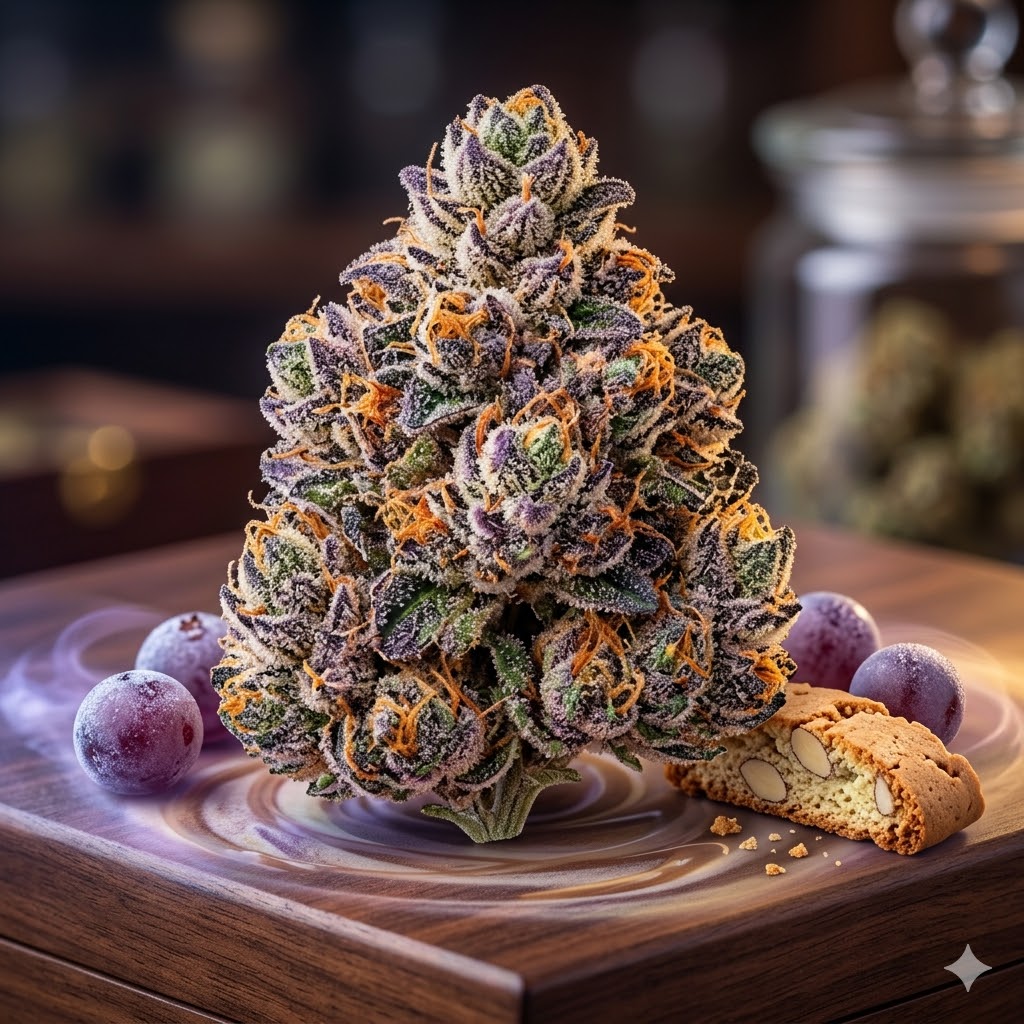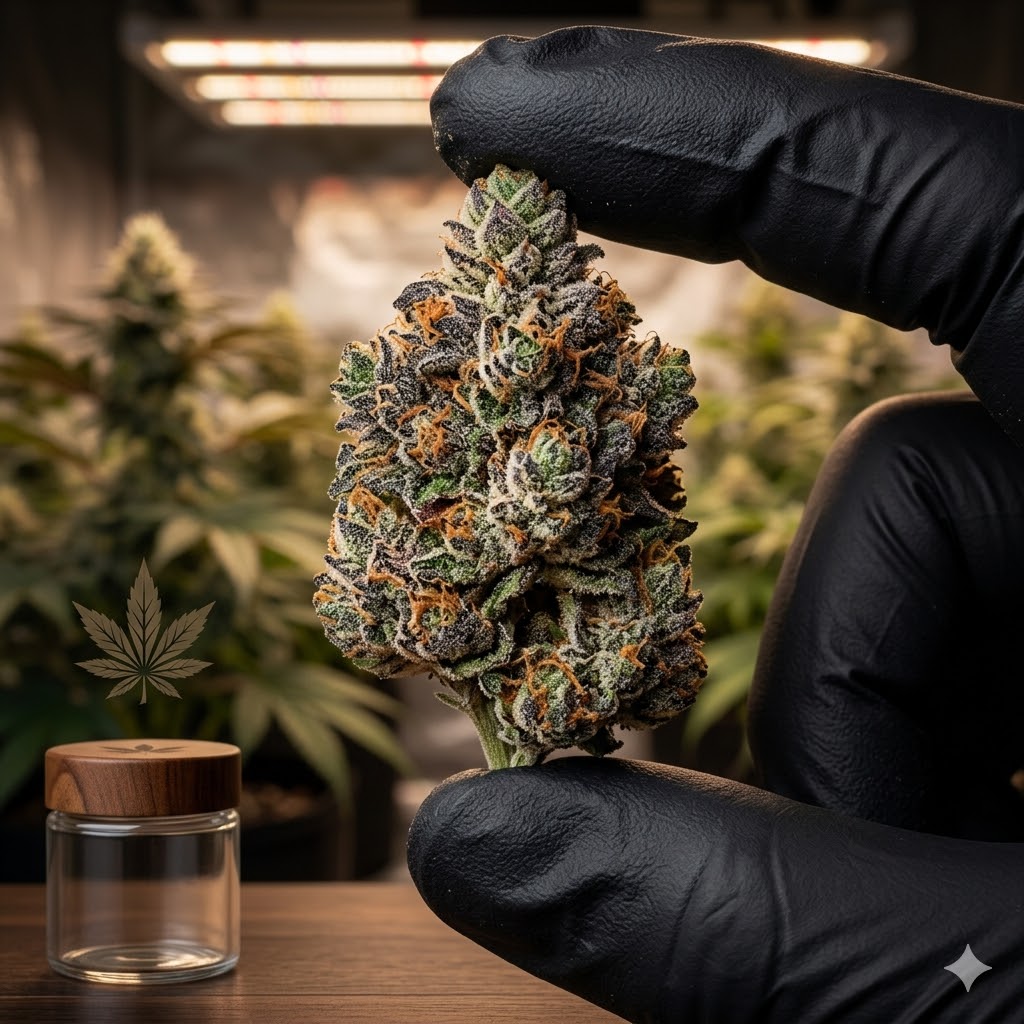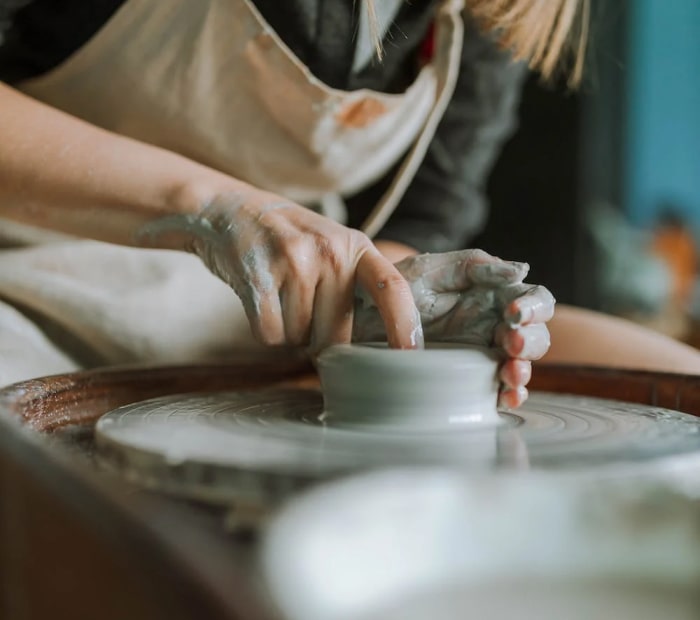


The story — Live rosin is the highest-tier cannabis concentrate on the market in 2026, made without solvents using a press, heat, and frozen flower. Most consumers have never seen how it’s made. We walked through every step — from harvest to jar — at a working solventless production room.
Posted May 26, 2026 · Field feature.
Why this matters
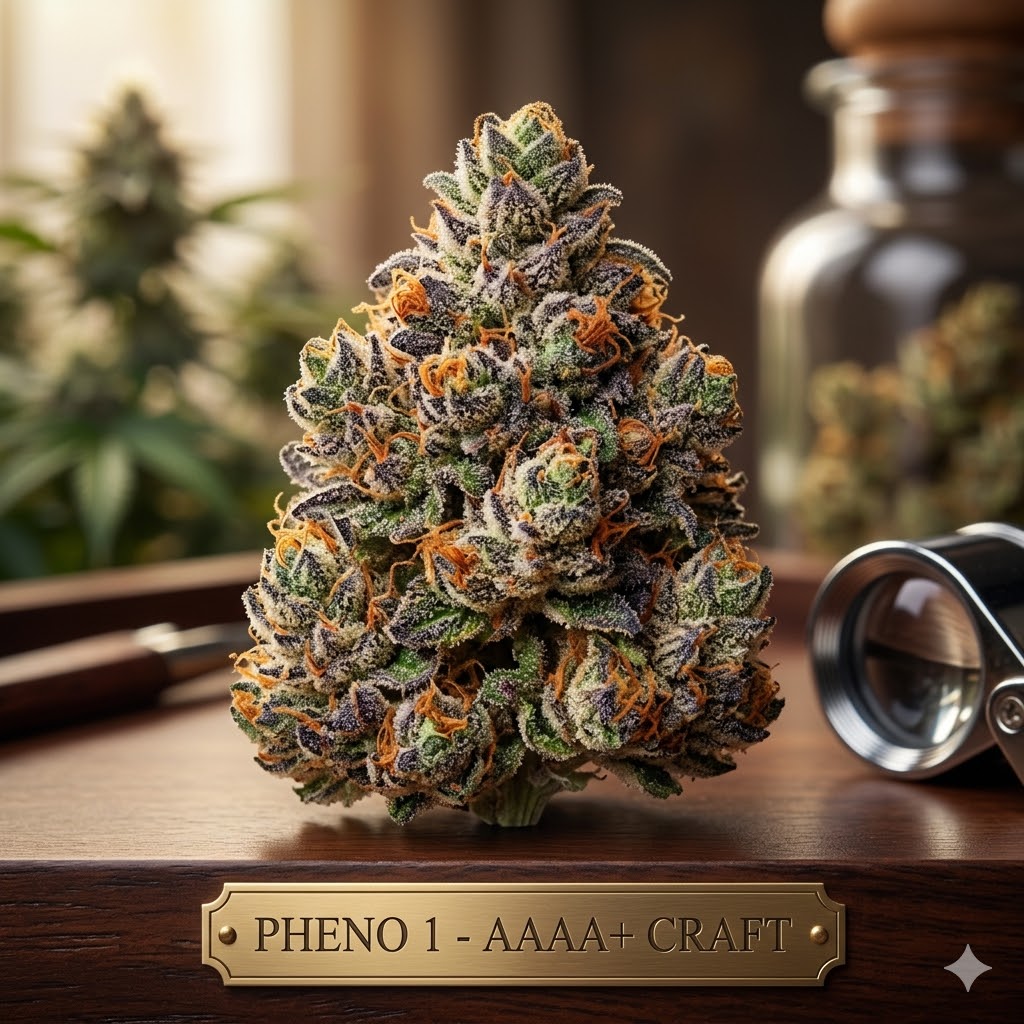
Live rosin sits at the top of the cannabis concentrate hierarchy not because of marketing but because of process. No butane, no propane, no CO2 — just frozen plant material, water, ice, and pressure. The result preserves more terpenes, more minor cannabinoids, and a cleaner final dab than any solvent extraction can produce. But the process is also brutally finicky: every step from harvest timing to press temperature affects whether the final product hits 75% THC with 9% terpenes or comes out as muddy, hay-flavored disappointment.
This is a step-by-step walk through what actually happens between cut-down and jar — based on a working production room and conversations with producers across Canada in 2026.
Step 1: The cut — timing the harvest
The first decision happens weeks before the press fires up. For live rosin, flower has to be flash-frozen at peak ripeness, typically when 30–40% of the trichome heads have shifted from clear to milky — earlier than the harvest window for dry-cured flower. The terpene profile is sharper here; the cannabinoid total is slightly lower; the result is the trade-off live rosin producers chase.
The cut itself happens fast. Plants come down, get trimmed of fan leaves (sometimes whole-plant frozen with fans intact), and go straight into freezer bags. Time from cut to freezer should be under 60 minutes. Producers running on tighter margins push that window; producers running for top quality treat it as sacred.
Step 2: The freeze — preserving what matters
Freezing isn’t just freezing. The standard for solventless production is -20°C minimum, ideally -30°C or colder, within 1–2 hours of cutting. The colder and faster, the better the cellular structure stays intact and the more terpenes stay bound to the plant material instead of evaporating off into the freezer atmosphere.
Walk into a serious solventless operation and you’ll find chest freezers — sometimes lab-grade ultra-low-temp units at -80°C — stacked with vacuum-sealed flower bags by strain, by harvest date, by intended product. The flower will sit here for anywhere from 48 hours to 60 days before processing. Most producers wait at least a week; the cellular structure stabilizes and the wash performs more predictably.
Step 3: The wash — separating trichomes from plant matter
This is where live rosin becomes ice-water hash first. Frozen flower goes into a “wash” vessel — typically a 20-liter stainless mixing tank — filled with reverse-osmosis water and food-grade ice. The mixture is agitated, gently, by hand or with a low-RPM mixer for 5–15 minutes per cycle. The cold water and ice mechanically dislodge the trichome heads (the resin glands containing cannabinoids and terpenes) from the flower without crushing them.
The slurry then drains through a series of nested mesh bags — typically 220, 160, 120, 90, 73, 45, and 25 micron in descending size. The trichome heads catch in the middle bags; flower fragments stay in the largest; tiny contaminants pass through the smallest. The catch from the 73–90 micron bags is the prize fraction. The 25–45 micron catch is high-quality but tends to be smaller heads with lower terpene content. The 120 micron and above is mostly contaminated by plant material.
Step 4: The drying — the slowest part nobody sees
Wet hash off the wash gets transferred to a freeze-dryer — a specialized vacuum chamber that sublimates water at low temperature without melting the trichomes. A run typically takes 24–48 hours. Freeze drying is essential because heat-drying would melt the trichome heads and prematurely activate terpene loss.
This step is the largest hidden cost in solventless production. A commercial freeze dryer runs $8,000–25,000 and consumes significant energy per run. Producers without proper freeze-drying capacity end up with hash that’s either too wet (presses muddy and low-yield) or too over-dried (terpenes lost during the drying itself).
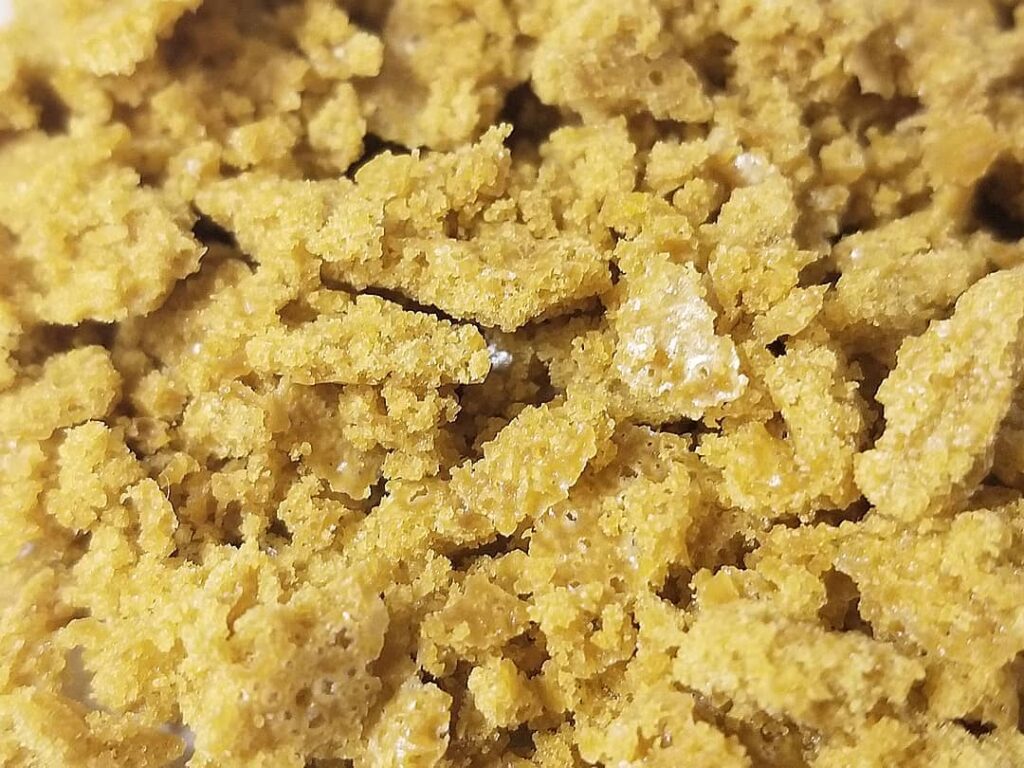
Dried bubble hash should look like dry, slightly fluffy sand. The color ranges from light blonde (excellent) to medium tan (good) to brown (acceptable but degraded). Black or very dark indicates contamination with chlorophyll or heat damage.
Step 5: The press — heat, pressure, time
This is the moment everyone associates with “rosin.” The dried bubble hash is loaded into a rosin bag (usually 25, 37, or 90 micron filter cloth), folded flat, and placed between the plates of a hydraulic press preheated to a specific temperature.
The pressing parameters that matter:
- Temperature: 160–195°F (71–91°C) for live hash rosin. Lower temperatures preserve more terpenes but produce a “cold-pressed” thicker consistency. Higher temperatures improve flow but cost terpene quality.
- Pressure: 800–1,500 PSI typically. Higher pressure increases yield but also increases the chance of bag blowouts or pushing too much plant lipid through.
- Time: 30 seconds to 4 minutes per press. Shorter is cleaner; longer is higher-yield with more contamination risk.
The rosin flows out of the bag as it presses, collecting on parchment paper sandwiched between the press plates. A good wash with a good press produces transparent, golden-to-amber rosin that immediately fills the room with terpene aroma — citrus, gas, pepper, depending on strain. A bad wash or aggressive press produces darker, opaque, less aromatic output.
Step 6: The collection — and the immediate decision
Fresh rosin off the press is at a fork in the road. Producers decide here what final product format it becomes:
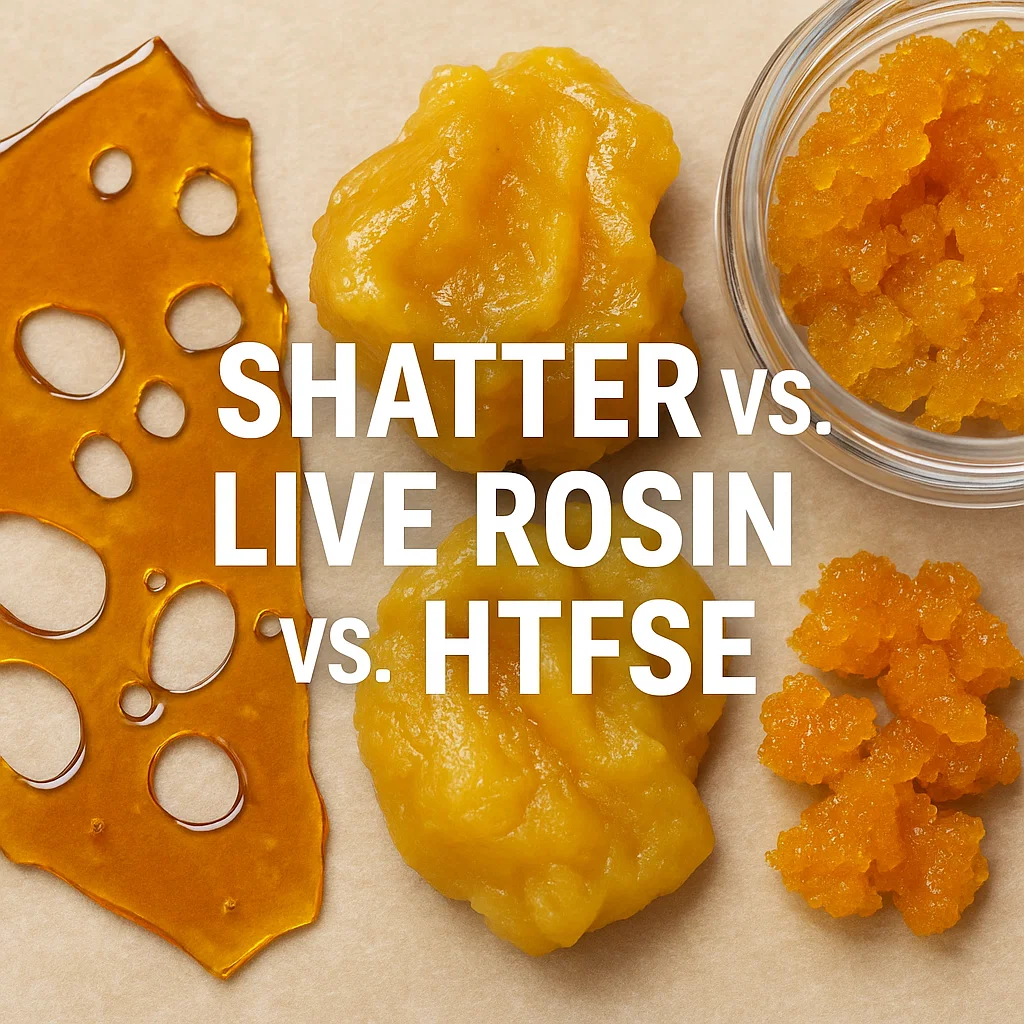
- Fresh-press rosin (as-is) — collected directly from the press onto parchment, jarred, refrigerated. Best terpene retention. Texture varies from “saucy” (high terpene strains) to “shatter-like” (lower terpene).
- Cold cure — the rosin sits in a sealed jar at 50–55°F for 24–72 hours. Cannabinoids and terpenes separate slightly, producing a “badder” texture that’s stable at room temperature.
- Hot cure — the rosin is held at 90°F for 24–72 hours. Produces a smoother, more uniform texture. Some terpene loss during the cure.
- Diamonds and sauce — the rosin is left to crystallize naturally over 1–4 weeks in a sealed jar. THCA forms diamond crystals; terpenes pool as sauce around them. Highly aesthetic but more complex production.
The format choice is a function of market demand and producer style. Quebec craft producers tend toward fresh-press; Ontario producers more often cold-cure for distribution stability; BC producers split across all four.
Step 7: The pack — packaging and the freshness clock
Rosin starts degrading the moment it’s produced. Light, heat, and oxygen all chip away at terpene content and cannabinoid stability. The standard professional packaging is:
- Food-grade silicone or glass jar (never plastic)
- Filled to leave minimal headspace
- Sealed with a desiccant in any secondary packaging
- Stored refrigerated until shipped
- Cold-shipped during summer months in insulated mailers
From here, the freshness clock starts. Properly packaged refrigerated live rosin holds peak terpenes for 60–90 days. Room-temperature storage cuts that window in half. The “live” advantage that makes live rosin special starts fading the moment it leaves the cold room.
The economics: why live rosin costs what it costs
Most consumers don’t realize what goes into a $50–80/gram price tag. A typical small-batch run:
- Starting material: 1 lb of premium fresh-frozen flower (~$2,800–$4,000 wholesale for craft cultivar)
- Wash & freeze-dry yield: ~25–45 g of dried bubble hash from 1 lb (2–4% yield by weight)
- Press yield: ~50–70% of hash weight becomes rosin (so ~12–30 g of finished rosin from 1 lb of starting flower)
- Effective production cost: $25–35/gram in raw inputs alone, before labor, equipment amortization, packaging, or testing
Add a 30–50% retail margin and you arrive at the $50–80/g retail price. Lower-priced rosin is either (a) made from lower-quality starting material, (b) processed at high temperatures to maximize yield, or (c) cut with distillate. None of those produce the experience that justifies the category in the first place.
What this all means at the dab
The process produces a concentrate that, at the end of the line, lives or dies on three variables: how fresh the starting flower was, how clean the wash and press were, and how well the finished product was stored. Get those three right and you get an extract that hits with full strain identity — the same terpene profile, the same effect arc, the same flavor character as the original flower, just amplified and concentrated.
Get any of them wrong and you get something that may technically test at 75% THC but tastes like nothing and feels like distillate. Same lab number, completely different product.
How to spot quality at the counter
Now that you’ve seen what goes in, here’s what to look for at the buying decision:
- Strain identity on the label. “Hash rosin from mixed flower” is the production equivalent of “soup of the day.” Single-strain only.
- Fresh-frozen designation. If the label doesn’t say live or fresh-frozen, it isn’t.
- Press date or batch date. Within 60 days is ideal; within 90 is acceptable; over 6 months is past peak.
- Producer name. Anonymous “house brand” rosin is usually not produced by a craft solventless operation.
- Color and consistency on the jar. Golden to amber; saucy to butter texture. Black or runny is a red flag.
- COA terpene total. Above 5% means you’re getting what you paid for. Below 3% means something went wrong somewhere upstream.
Final thought
Live rosin is the closest thing to “concentrated flower” the cannabis industry produces. Every step from freeze to press is about preserving what was in the plant — not about adding, processing, or refining beyond what’s needed. The producers who do it well are running what amounts to a craft food operation, with the same obsession over starting material, equipment, time, and storage. That’s why the price is what it is. That’s also why the experience is what it is.
Browse our Nature’s Fire concentrate catalog — small-batch live rosin from Canadian solventless producers, processed and packed to the standards described above.
Legal notice. Cannabis is legal for adult use in Canada under the Cannabis Act. This article is informational.
Sources: Producer interviews with Canadian solventless operations Q1 2026; The Rosin Press Project public technical documentation; Health Canada quality standards for cannabis extracts; Solventless Method Cannabis Co. processing handbook (industry reference).
Related Concentrate Guides
Get the most out of any concentrate with our Low Temp vs High Temp Dabs guide — temperature is the difference between full flavour and char.